
"Ethiopian coffee quality"
6000 article(s) found

Ethiopian Coffee Flavor Taste Manor introduces Ethiopian Coffee Brands
In Ethiopia, the grading and quality control system of coffee is divided into three levels: producer, regional and national. All coffee is inspected by local inspection agencies before leaving the country of origin, and then re-tested at the coffee inspection and grading centers in Addis and Diredawa to determine its quality grade. Coffee is graded before auction and sale, for all involved in production, acquisition,

Ethiopian Coffee Bean Flavor Manor introduces Ethiopian Coffee Brands
Sun-cured coffee accounts for 65% of exports. Mainly picked by families, red coffee beans are placed on cement floors or on high tables to dry to about 11.5% humidity, then peeled and cleaned. Coffee grading and quality control system in Ethiopia, coffee grading and quality control system is divided into three levels: producer, regional and national. All coffee goes through before leaving the country of origin.

Ethiopian Coffee introduces Ethiopian Harald mocha coffee beans
Ethiopia Harald mocha beans (Ethiopian Harar mocha) roast taste and photo photo light roasted Harald coffee beans, brewed in a siphon coffee pot, really have a hint of citrus aroma! This Harald harar raw coffee bean looks like grade 5, irregular, long beans (longer flat beans), short flat beans, round beans, boiled beans

Introduction to the characteristics, Analysis and quality of Ethiopian Coffee
Ethiopian beans are easily recognizable, mostly small and pointed long beans, known as longberry, and often mixed with small oval-shaped short beans, called shortberry, which look uneven in size and appearance. The commercial bulk beans of Grade4 or Grade5 are mostly mixed with hundreds of different crystal seeds in different producing areas, so the phenomenon of uneven bean phase is the most obvious.

The characteristics of Ethiopian coffee, the introduction of Ethiopian coffee
Following Caf é (Wechat official account vdailycom) found that Beautiful Cafe opened its own shop Ethiopia (Ethiopia) is one of the major producers of African Arab coffee beans and produces the best Arab mocha beans in the world. It is said that coffee beans were first discovered by shepherds in the Kafa region of Ethiopia, and the name of coffee evolved from Kafa.

Characteristics of Ethiopian coffee, origin of Ethiopian coffee
Pay close attention to coffee comment (Weixin Official Accounts vdailycom ) and find that the geographical environment of Ethiopia is very suitable for coffee growth. Coffee is mainly grown in the southern highlands between 1100 and 2300 meters above sea level. The main coffee producing areas are Harar, Limu, Djimma, Sidamo and Ka.

Introduction to the flavor and taste characteristics of Ethiopian coffee country coffee manor with high quality coffee beans
Ethiopia is recognized as the birthplace of coffee and the birthplace of all kinds of coffee we taste today. it plays an important role in the history of coffee development. With respect and admiration for the birthplace of coffee and the long-standing inheritance of coffee culture, Starbucks solemnly launched Ethiopian coffee with a unique taste in stores across the country from January 6 to 12.

Ethiopian Coffee Bean Flavor Taste Estate Introduction Ethiopian Coffee Bean Introduction
For coffee fans, don't care how the beans look, the most important thing is to drink. Ethiopian washed beans are much more stable than sun-dried beans, whose flavor fluctuates greatly from year to year, so be sure to cup them several times before buying them in large quantities. Good sun-baked beans have a much deeper flavor than washed beans, but poorly treated sun-baked beans are sure to be speechless, which is what many coffee fans think.

How to deal with the processing of Ethiopian single bean? how to divide the grade of Ethiopian single bean?
Professional barista exchanges please follow the coffee workshop (Wechat official account cafe_style) the world-famous Ethiopian coffee are: 1. Limu coffee grows between 1400 meters and 2000 meters above sea level. Wash the coffee. Excellent quality, with strong nut aromas, suitable acidity, with the intensity of wine. The annual output is 29000 tons. 2. Jima coffee grows at an altitude of 140.

Introduction to the planting environment of high-quality Ethiopian boutique coffee bean manor
March 1988, rebel activities of the Eritrean people's Liberation Front (EPLF) and Tigre people's Liberation Front (TPLF) launched an attack on government forces, a large-scale civil war broke out. In 1989, the Eritrean people's Liberation Front occupied most of Eritrea's province. On May 28, 1991, EGF troops, mainly from the people's Liberation Front of Tigre, entered Addis Ababa, Menges.
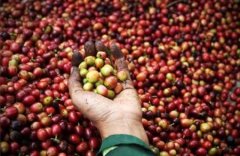
Ethiopian boutique coffee beans introduce the characteristics of Ethiopian coffee Ethiopian coffee mouth
Ethiopia is an agricultural country with a history and tradition of coffee origin. The place where the name coffee comes from is Kafa in the southwest, while the Sidamo place in the south is the main producing area, and Yegashafi is one of the southern producing areas of Sidamo. The Eastern Highland Hara is as famous as the coffee name Hara. Ethiopia is an important coffee producer.

Ethiopian coffee taste, Ethiopian coffee introduction
Following Cafe (official Wechat account vdailycom) found that Beautiful Cafe opened its own shop Ethiopia is one of the major producers of African Arabica coffee, producing the best Arabica coffee in the world. It is said that coffee was first discovered by shepherds in Essekafa, and the name of coffee evolved from Kafa, so Ethiopia is still the hometown of coffee.
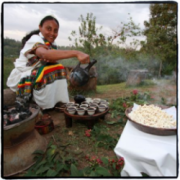
Introduction to Ethiopian boutique coffee
Saifeng is one of the highest quality coffee producers in the world. The unique geographical environment, a wide variety of coffee varieties and the tradition of wet processing make Ethiopian coffee bring us bright and vivid taste and rich fruit and flower aromas.

Flowers and honey sweet Ethiopian coffee Ethiopian flavor sidamo products
At present, there are many native forests of coffee in Ethiopia, which can be said to be a gene pool of coffee, and this gene pool will be the solution to many coffee problems. Ethiopian coffee beans are of high quality and have a wide variety of flavors, and few countries are second to none. As for the treatment of raw beans, some places are insolated, some are washed, and both are used.

Introduction to the taste of Ethiopian coffee beans with chocolate flavor
Why Ethiopian coffee beans have the characteristics of chocolate varieties in Ethiopia, the grading and quality control system of coffee is divided into three levels: producer, regional and national. All coffee is inspected by local inspection agencies before leaving the country of origin, and then re-tested at the coffee inspection and grading centers in Addis and Diredawa to determine its quality grade. Coffee

Boutique coffee Ethiopian coffee origin Ethiopian coffee practice
The birthplace of coffee-Ethiopia. The coffee tree originated in Ethiopia, which was originally a wild plant here, and the name coffee comes from the Ethiopian town of Kaffa. In fact, many coffee trees in Ethiopia are still wild plants, and the coffee grown on this coffee tree is full-grained and slightly alcoholic. Humans may have been in the 9th century.

Ethiopian boutique coffee introduced Ethiopian boutique coffee producing area Ethiopian coffee
Across the Red Sea and opposite Yemen, Ethiopia is the first place in the world to find coffee trees in Arabica, where coffee is grown almost everywhere in the country. Among them, the eastern Highland Hara (Harra) produces the famous Haramoka, which has a special wine aroma and acidity, which is equivalent to the Yemeni mocha and is a high-quality coffee. So are Sidamo and Djimmah in the south.

Ethiopian Coffee | characteristics of Ethiopian Coffee
Ethiopian coffee for hundreds of years, Ethiopia has provided the world's most acclaimed single-origin high-quality coffee beans. In general, Ethiopian coffee is famous for its complex taste, spicy wine and unique acidity. Altitude range: 1500-2200 m above sea level language: Amharic harvest season: November-February annual coffee output: 660

Boutique coffee common sense Ethiopian coffee
The coffee tree originated in Ethiopia, which was originally a wild plant here, and the name coffee comes from the Ethiopian town of Kaffa. Humans may have known how to grow coffee trees as early as the 9th century. Coffee producing area in Ethiopia: many coffee trees in Ethiopia are still wild plants, and the coffee grown on this coffee tree is full of grains.

Boutique coffee Ethiopian coffee features introduction to Ethiopian coffee
The birthplace of coffee-Ethiopia. The coffee tree originated in Ethiopia, which was originally a wild plant here, and the name coffee comes from the Ethiopian town of Kaffa. In fact, many coffee trees in Ethiopia are still wild plants, and the coffee grown on this coffee tree is full-grained and slightly alcoholic. Humans may have been in the 9th century.